Countries: United States - Canada - Australia - when best time to check blood sugar
When Best Time to Check Blood Sugar: A Comprehensive Guide | when best time to check blood sugar
Importance of Monitoring Blood Sugar Levels
Monitoring blood sugar levels is crucial for individuals with diabetes to manage their condition effectively. The American Diabetes Association (ADA) emphasizes the importance of regular blood sugar checks to prevent complications. High or low blood sugar can have serious consequences, including damage to organs and tissues, increased risk of heart disease and stroke, and even death. Regular monitoring can help individuals with diabetes identify patterns and trends in their blood sugar levels, allowing them to make informed decisions about their diet, exercise, and medication.
According to the ADA, individuals with diabetes should aim to keep their blood sugar levels within a target range to minimize the risk of complications. This can be achieved through a combination of healthy eating, regular physical activity, and medication. Home blood glucose tests are a convenient and accurate way to monitor blood sugar levels, and can be used to track progress and make adjustments to treatment plans as needed.
For example, a person with diabetes may use a home blood glucose test to check their blood sugar levels before and after meals, and adjust their insulin dosage accordingly. They may also use the test to monitor the effects of exercise on their blood sugar levels, and adjust their treatment plan to minimize the risk of hypoglycemia.
Best Times of Day to Check Blood Sugar
The best times to check blood sugar levels vary depending on individual factors, such as medication, diet, and physical activity. According to Beyond Type 1, checking blood sugar levels at specific times of the day can help identify patterns and trends. For example, checking blood sugar levels before breakfast can help individuals with diabetes determine if their overnight insulin dosage is effective, while checking after meals can help them determine if their mealtime insulin dosage is adequate.
Diabetes and exercise: When to monitor your blood sugar The HbA1c measures the average amount of glycated hemoglobin in your blood over a period of 3 months.[3] The lifespan of a red blood cell is around three months, and the … Best Times of Day to Check Your Blood Sugar - Beyond Type 1 In a Nutshell: The best time to check blood glucose is one to two hours after meals, capturing peak levels as food breaks down into energy. KEY TAKEAWAYS. Post-meal blood glucose is best checked one to two hours after eating due to food digestion. Key times for blood sugar testing: fasting, pre/post meals, bedtime, and if night symptoms occur.
It is generally recommended that individuals with diabetes check their blood sugar levels at the following times:
- Before breakfast
- After meals
- Before and after exercise
- At bedtime
Checking blood sugar levels at these times can help individuals with diabetes identify patterns and trends, and make informed decisions about their treatment plan. For example, if a person with diabetes notices that their blood sugar levels are consistently high after meals, they may need to adjust their mealtime insulin dosage or make changes to their diet.
How to Test and Interpret Blood Sugar Results
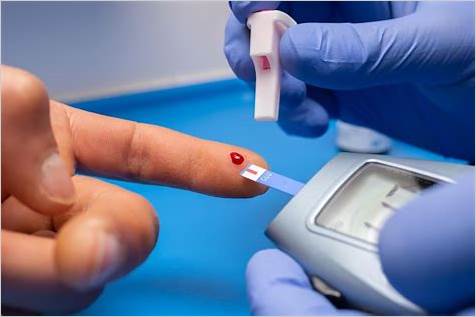
Home blood glucose tests are a convenient and accurate way to monitor blood sugar levels. The US Department of Health and Human Services provides guidelines on how to test and interpret blood sugar results. To test blood sugar levels, individuals with diabetes will need a glucose meter, test strips, and a lancing device.
The step-by-step process for testing blood sugar levels is as follows:
When should I check my blood sugar, and what are my targets? While finger stick monitors have long been a mainstay in diabetes management, pricking your finger to obtain a blood sample several times a day can be painful and time-consuming. Home blood glucose test: How to test and interpreting results Blood tests to diagnose type 1 and type 2 diabetes include fasting blood sugar, a hemoglobin A1C test, and a glucose tolerance test. [ 11 ] The A1C test measures the average blood sugar level over ...
- Prepare the glucose meter and test strip according to the manufacturer's instructions
- Wash your hands with soap and water
- Use the lancing device to obtain a blood sample
- Place the blood sample on the test strip
- Insert the test strip into the glucose meter
- Wait for the glucose meter to display the results
Interpreting blood sugar results can be complex, but generally, the following ranges are considered normal:
| Time of Day |
Normal Blood Sugar Range |
| Before breakfast |
70-130 mg/dL |
| After meals |
Less than 180 mg/dL |
Individuals with diabetes should work with their healthcare provider to determine their target blood sugar range and develop a plan to achieve it.
Factors Affecting Blood Sugar Levels
Several factors can affect blood sugar levels, including diet, physical activity, stress, and medication. The Canadian Diabetes Association notes that understanding these factors is essential for effective blood sugar management. For example, eating a meal high in carbohydrates can cause blood sugar levels to rise, while engaging in physical activity can cause blood sugar levels to fall.
The following factors can affect blood sugar levels:
High Morning Blood Glucose | ADA - American Diabetes Association A blood sugar level of 99 mg/dL or below is considered normal for a fasting blood sugar test. For a glucose tolerance test, a level of 140 mg/dL is considered normal. For a glucose tolerance test ... Insulin Before or After Meals? And Other Do’s and Don’ts Learn more about blood sugar levels testing, including what your normal blood sugar levels should be, when to test & what to do if your levels are too low or high. ... While your A1C lab test result reflects your average blood glucose over a period of time, it cannot show the effects of specific food choices and activities on your daily blood ...
- Diet: Eating meals high in carbohydrates, sugar, or fat can cause blood sugar levels to rise
- Physical activity: Engaging in physical activity can cause blood sugar levels to fall
- Stress: Stress can cause blood sugar levels to rise
- Medication: Certain medications, such as steroids and certain antibiotics, can affect blood sugar levels
Individuals with diabetes should work with their healthcare provider to understand how these factors affect their blood sugar levels and develop a plan to manage them.
Expert Opinions on Blood Sugar Monitoring
Experts in the field of diabetes emphasize the importance of regular blood sugar monitoring. According to Dr. Anne Peters, Director of the USC Clinical Diabetes Program, "Monitoring blood sugar levels is crucial for individuals with diabetes to manage their condition effectively." Dr. Peters notes that regular monitoring can help individuals with diabetes identify patterns and trends in their blood sugar levels, allowing them to make informed decisions about their diet, exercise, and medication.
Other experts agree, noting that blood sugar monitoring is a critical component of diabetes management. According to the ADA, "Regular blood sugar monitoring is essential for individuals with diabetes to achieve good glycemic control and prevent complications."
User Reviews and Real-Life Examples
Real-life examples and user reviews can provide valuable insights into the effectiveness of blood sugar monitoring. A user review from the American Diabetes Association website notes, "Monitoring my blood sugar levels has helped me manage my diabetes and prevent complications." The user notes that they use a home blood glucose test to check their blood sugar levels before and after meals, and adjust their insulin dosage accordingly.
When to Test Your Blood Sugar Levels Every Day If You Have Diabetes The results of the fasting blood sugar test will come back as a number: 99 mg/dL or lower: This is a normal fasting blood sugar level. 100-125 mg/dL: Fasting blood sugar in this range typically indicates prediabetes. This means your blood sugar levels are higher than normal but not high enough to be classified as diabetes. Best Time to Check Blood Sugar for Type 2 Diabetes - Canada … Your health care provider will periodically order a blood test to check your current blood glucose levels and glycated hemoglobin (A1C). The A1C test gives an overall sense of …
Another user review notes, "I was diagnosed with diabetes and was overwhelmed by the amount of information I needed to learn. But with the help of my healthcare provider and a home blood glucose test, I was able to get my blood sugar levels under control and start feeling better." The user notes that they use a glucose meter to track their progress and make adjustments to their treatment plan as needed.
Creating a Personalized Blood Sugar Monitoring Plan
Creating a personalized blood sugar monitoring plan is essential for effective diabetes management. The familydoctor.org website provides guidelines on how to create a personalized plan, including setting targets and tracking progress. Individuals with diabetes should work with their healthcare provider to determine their target blood sugar range and develop a plan to achieve it.
The following steps can be taken to create a personalized blood sugar monitoring plan:
- Set realistic targets: Work with your healthcare provider to determine your target blood sugar range
- Track progress: Use a glucose meter to track your blood sugar levels and make adjustments to your treatment plan as needed
- Make adjustments: Adjust your diet, exercise, and medication as needed to achieve your target blood sugar range
Individuals with diabetes should also consider the following factors when creating a personalized plan:
Monitoring Your Blood Sugar Level - familydoctor.org Generally, healthcare professionals recommend checking blood sugar before meals and bedtime for people with type 2 diabetes. However, this can vary depending on a person's management plan. Tips for Monitoring and Controlling Blood Sugar Levels - US … Typically, glucose levels begin to improve — but it does take time to get there.” ... While many factors drive up blood sugar in the inpatient setting, patients on steroids often have glucose levels greater than 200 mg/dL. ... best-practices care helps build knowledge and confidence. “Patients do better when we take the time to explain ...
- Lifestyle: Consider your lifestyle, including your diet, exercise, and stress levels, when creating a personalized plan
- Medication: Consider your medication, including your insulin dosage and any other medications you are taking, when creating a personalized plan
- Health status: Consider your overall health status, including any other health conditions you may have, when creating a personalized plan
Common Challenges and Solutions in Blood Sugar Monitoring
Common challenges in blood sugar monitoring include inconsistent testing, inaccurate results, and difficulty interpreting results. The US Department of Health and Human Services provides tips and solutions for overcoming these challenges. For example, individuals with diabetes can use a glucose meter with a built-in memory to track their progress and make adjustments to their treatment plan as needed.
The following are common challenges and solutions in blood sugar monitoring:
- Inconsistent testing
- Use a glucose meter with a built-in memory to track progress and make adjustments to treatment plan as needed
- Inaccurate results
- Use a glucose meter that is calibrated correctly and follow the manufacturer's instructions for use
- Difficulty interpreting results
- Work with a healthcare provider to understand how to interpret results and make adjustments to treatment plan as needed
Advanced Blood Sugar Monitoring Technologies
Advanced blood sugar monitoring technologies, such as continuous glucose monitoring systems, can provide more accurate and detailed information about blood sugar levels. The ADA notes
Best Time to Test Blood Sugar: When Should You Check Your Taking your metformin with an evening meal can help alleviate the next day’s morning high blood sugar levels, whereas if you take it in the morning, you may be dealing … When is the best time to check blood sugar with type 2 diabetes? Whether you have type 1 diabetes or type 2 diabetes, checking your blood sugar lets you see what makes your blood sugar go up or down. For example, some factors that can make blood sugar rise are ...
Countries: United States - Canada - Australia
.
Similar
when best time to check blood sugar
(Qpcbi) Best Blood Sugar Extension: A Comprehensive Guide to Managing Blood Sugar Levels (yPEnj) Effective Drinks to Lower Blood Sugar Levels: A Comprehensive Guide (nXKuS) Embracing the Future of Diabetes Management: Blood Sugar Meter No Stick Technology (VvoUS) Things to Eat to Lower Blood Sugar: A Comprehensive Guide (kcBls) Efficient Diabetes Management with the Automatic Blood Sugar Monitor: A Comprehensive Guide (fxyXD) Effective Supplement for Blood Sugar Control: A Comprehensive Guide to Managing Type 2 Diabetes Naturally (WltTV) No Stick Blood Sugar Meter: A Comprehensive Guide to Painless Blood Glucose Monitoring (aFKmH) Blood Sugar Levels vs A1c: A Comprehensive Guide to Managing Diabetes (dEYYT) Optimizing Blood Sugar Control with Blood Sugar Workouts: A Comprehensive Guide (fAjud) Is There a Watch That Monitors Blood Sugar: A Comprehensive Guide