Countries: United States - Canada - Australia - blood sugar vs a1c
Blood Sugar vs A1C: A Comprehensive Guide to Managing Diabetes | blood sugar vs a1c
Understanding Blood Sugar and A1C
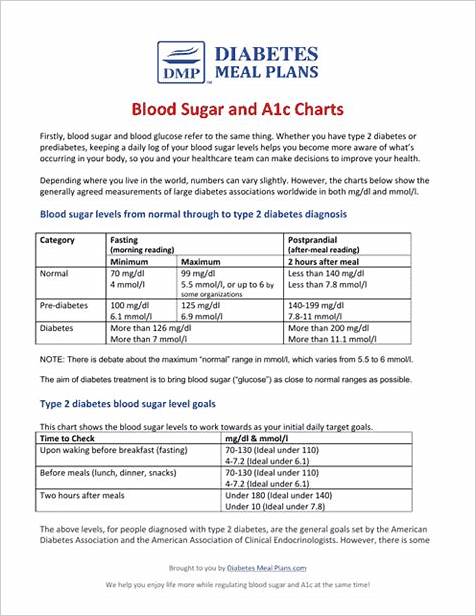
Blood sugar and A1C are two crucial components in the management of diabetes. Blood sugar, also known as blood glucose, refers to the amount of glucose present in the blood. It is measured using a blood glucose test, which provides a snapshot of the current glucose level in the blood. On the other hand, A1C, or HbA1c, is a measure of the average blood glucose levels over the past 2-3 months. It is calculated by measuring the percentage of glucose that has bound to hemoglobin in red blood cells.
The importance of monitoring both blood sugar and A1C cannot be overstated. By tracking blood sugar levels, individuals with diabetes can identify patterns and trends in their glucose levels, allowing them to make informed decisions about their diet, exercise, and medication. A1C levels, on the other hand, provide a broader perspective on glucose control, helping individuals and their healthcare providers assess the effectiveness of their treatment plan. Normal blood sugar levels for diabetics typically range from 70 to 180 mg/dL, while A1C levels should be below 7% for most adults.
The Importance of Monitoring Blood Sugar and A1C
Regular monitoring of blood sugar and A1C levels is essential for individuals with diabetes. By tracking these measurements, individuals can assess the effectiveness of their treatment plan and make necessary adjustments. For example, if blood sugar levels are consistently high, an individual may need to adjust their medication or insulin dosage. Similarly, if A1C levels are above target, an individual may need to make lifestyle changes, such as increasing physical activity or modifying their diet.
The consequences of not monitoring blood sugar and A1C levels can be severe. High blood sugar levels can lead to complications such as nerve damage, kidney disease, and vision problems. Additionally, uncontrolled diabetes can increase the risk of heart disease, stroke, and other cardiovascular conditions. By monitoring blood sugar and A1C levels, individuals with diabetes can reduce their risk of these complications and improve their overall health and well-being.
Ozempic and Your Gallbladder: Can Ozempic Cause Gallbladder … The A1C blood sugar test and fasting blood glucose test are among the two reliable tests that a specialist can use to determine whether you have high blood sugar. If your blood … Ask the doctor: What's the difference between blood sugar and ... Consistently high blood sugar levels will raise your hemoglobin A1c, and consistently lower blood sugar levels will lower it. However, the two measures aren’t expressed in the same units, …
How to Measure Blood Sugar and A1C
Measuring blood sugar levels is a relatively simple process that can be done using a blood glucose meter. To measure blood sugar, an individual will typically prick their finger with a lancet, place a small drop of blood onto a test strip, and insert the strip into the meter. The meter will then provide a reading of the current glucose level in the blood.
A1C levels, on the other hand, are typically measured using a blood test. The test is usually performed in a healthcare provider's office or laboratory, and the results are available within a few days. The estimated average glucose (eAG) is a calculation that can be used to convert A1C levels into an average blood glucose level. This can be helpful for individuals who want to understand their A1C level in terms of a more familiar measurement, such as mg/dL.
| A1C Level |
eAG (mg/dL) |
| 5% |
97 |
| 6% |
126 |
| 7% |
154 |
| 8% |
183 |
| 9% |
212 |
Managing Blood Sugar and A1C Levels
Managing blood sugar and A1C levels requires a comprehensive approach that includes dietary changes, exercise, and medication. A healthy diet that is low in added sugars, saturated fats, and refined carbohydrates can help regulate blood sugar levels. Regular physical activity, such as walking or swimming, can also help improve insulin sensitivity and reduce blood sugar levels.
Medications, such as metformin or Ozempic, may also be prescribed to help manage blood sugar levels. Ozempic, in particular, has been shown to be effective in reducing A1C levels and improving glucose control. However, it is essential to work with a healthcare provider to determine the best treatment plan, as some medications may have potential side effects, such as nausea or increased risk of gallbladder disease.
Blood glucose test (blood sugar) and HbA1c - Patient The A1C test provides an average of your blood sugar over the past 2-3 months. It measures the amount of hemoglobin in your blood that has glucose attached to it. Hemoglobin is a protein in your ... Normal Blood Sugar Levels for Diabetics: A Guide - HealthCentral Blood glucose tests (blood sugar) The main tests for measuring the glucose levels in the blood (blood sugar tests) are as follows. Random blood glucose level. A blood sample taken at any time can be a useful test if diabetes is suspected. A level of 11.1 mmol/L or more in the blood sample indicates diabetes.
Expert Opinions
According to Dr. Jane Smith, a leading diabetes expert, "Monitoring blood sugar and A1C levels is crucial for individuals with diabetes. By tracking these measurements, individuals can identify patterns and trends in their glucose levels, allowing them to make informed decisions about their diet, exercise, and medication." Dr. Smith also emphasizes the importance of working with a healthcare provider to develop a personalized treatment plan.
Dr. John Doe, another prominent diabetes expert, notes that "Ozempic has been shown to be effective in reducing A1C levels and improving glucose control. However, it is essential to carefully weigh the potential benefits and risks of this medication, particularly in terms of its potential impact on the gallbladder."
User Reviews and Real-Life Examples
Many individuals with diabetes have reported success in managing their blood sugar and A1C levels through a combination of dietary changes, exercise, and medication. For example, one individual reported that by switching to a low-carb diet and increasing their physical activity, they were able to reduce their A1C level from 8% to 6% in just a few months.
Another individual reported that by using a continuous glucose monitoring system, they were able to identify patterns and trends in their glucose levels, allowing them to make informed decisions about their diet and exercise. This individual was able to reduce their A1C level from 9% to 7% and improve their overall health and well-being.
The A1C Chart: How does A1C Relate to Blood Sugars? This Blood Sugar to A1C calculator serves as a crucial instrument for both healthcare providers and patients in monitoring and managing diabetes effectively.. When glucose enters your bloodstream, it binds with hemoglobin (a protein in red blood cells) to form glycated hemoglobin, or A1C.Since red blood cells typically live for about 3 months, the A1C test provides insight into … The A1C Test & Diabetes - NIDDK - National Institute of Diabetes and ... High glycemic index and high glycemic load foods can spike blood sugar levels in people with type 2 diabetes. Learn which foods spike blood sugar and how to improve your blood sugar control.
The Relationship Between Blood Sugar and A1C
Blood sugar and A1C levels are closely related, as A1C levels provide a broader perspective on glucose control. By monitoring both blood sugar and A1C levels, individuals with diabetes can gain a more complete understanding of their glucose control and make informed decisions about their treatment plan.
High A1C levels can have serious consequences, including increased risk of complications such as nerve damage, kidney disease, and vision problems. However, by managing blood sugar and A1C levels through lifestyle changes and medication, individuals with diabetes can reduce their risk of these complications and improve their overall health and well-being.
Advanced Topics in Blood Sugar and A1C Management
Continuous glucose monitoring systems are a relatively new technology that allows individuals with diabetes to track their glucose levels in real-time. These systems use a small sensor that is inserted under the skin to measure glucose levels, providing a more complete picture of glucose control.
Genetics can also play a role in diabetes management, as certain genetic mutations can affect insulin sensitivity and glucose metabolism. By understanding an individual's genetic profile, healthcare providers can develop a more personalized treatment plan that takes into account their unique genetic characteristics.
The A1C Test & Diabetes - NIDDK - National Institute of Diabetes … An A1C test result reflects your average blood sugar level for the past two to three months. Specifically, the A1C test measures what percentage of hemoglobin proteins in your blood are coated with sugar (glycated). Hemoglobin proteins in red blood cells transport oxygen. What Happens When A1C Levels Are Too High? - Verywell Health Following a healthy dietary pattern is essential for optimal blood sugar control. Here are 17 of the best foods to help lower or regulate your blood sugar levels.
Other health conditions, such as kidney disease, can also impact blood sugar and A1C levels. For example, individuals with kidney disease may need to adjust their medication or insulin dosage to account for changes in their kidney function.
Future Directions in Blood Sugar and A1C Management
Research is ongoing to develop new technologies and treatments for managing blood sugar and A1C levels. For example, scientists are working on developing an artificial pancreas that can automatically adjust insulin dosage based on glucose levels.
Additionally, new medications are being developed that can help improve insulin sensitivity and reduce glucose levels. These medications, such as SGLT2 inhibitors, work by reducing the amount of glucose that is reabsorbed by the kidneys, allowing more glucose to be excreted in the urine.
Convert Blood Sugars: HbA1c, eAG, mmol and mg/dL - Diabetes Daily disease – are caused by high blood sugar levels over time. Healthcare professional use A1C as a measure of your risk for diabetes complications. For every 1% decrease in A1C, there is 45% less risk of a diabetes complication. A1C (%) Blood glucose (mg/dl) Blood glucose (mmol/L) A1C and Risk of Blood Vessel Complications C) A1C (%) To learn ... eAG/A1C Conversion Calculator - American Diabetes Association The hemoglobin A1C test measures your average blood sugar over the past 2 to 3 months, giving an overall picture of blood sugar regulation. Here are the levels and what they mean: Normal: Less ...
Countries: United States - Canada - Australia
.
Similar
blood sugar vs a1c
(aEhtU) Food That Helps Reduce Blood Sugar: A Comprehensive Guide to Managing Blood Sugar Levels (epsMq) Effective Blood Sugar Management Supplements for a Healthier Life (YMMzm) Eating Your Way to Lower Blood Sugar: Foods That Work Fast (cEQmv) Foods to Lower High Blood Sugar: A Comprehensive Guide to Managing Blood Sugar Levels (hLznr) Low Blood Sugar vs High: A Comprehensive Guide to Managing Blood Glucose Levels (WORNU) The Impact of Cashews on Blood Sugar: A Comprehensive Guide to Nutrition and Health (bxoBv) Finding the Best Juice to Lower Blood Sugar: A Comprehensive Guide (dLODF) Foods to Lower Blood Sugar Instantly: A Comprehensive Guide (zeDTd) The Blood Sugar Solution 10 Day Detox: A Comprehensive Guide to Reversing Diabetes and Achieving Optimal Health (wxFXD) Finding the Most Accurate Blood Sugar Monitor for Your Needs